Buying & Customization
What to include in a wholesale inflatable product brief
A practical checklist for a clearer quotation: product details, artwork, accessories, packaging, target market and delivery timing.
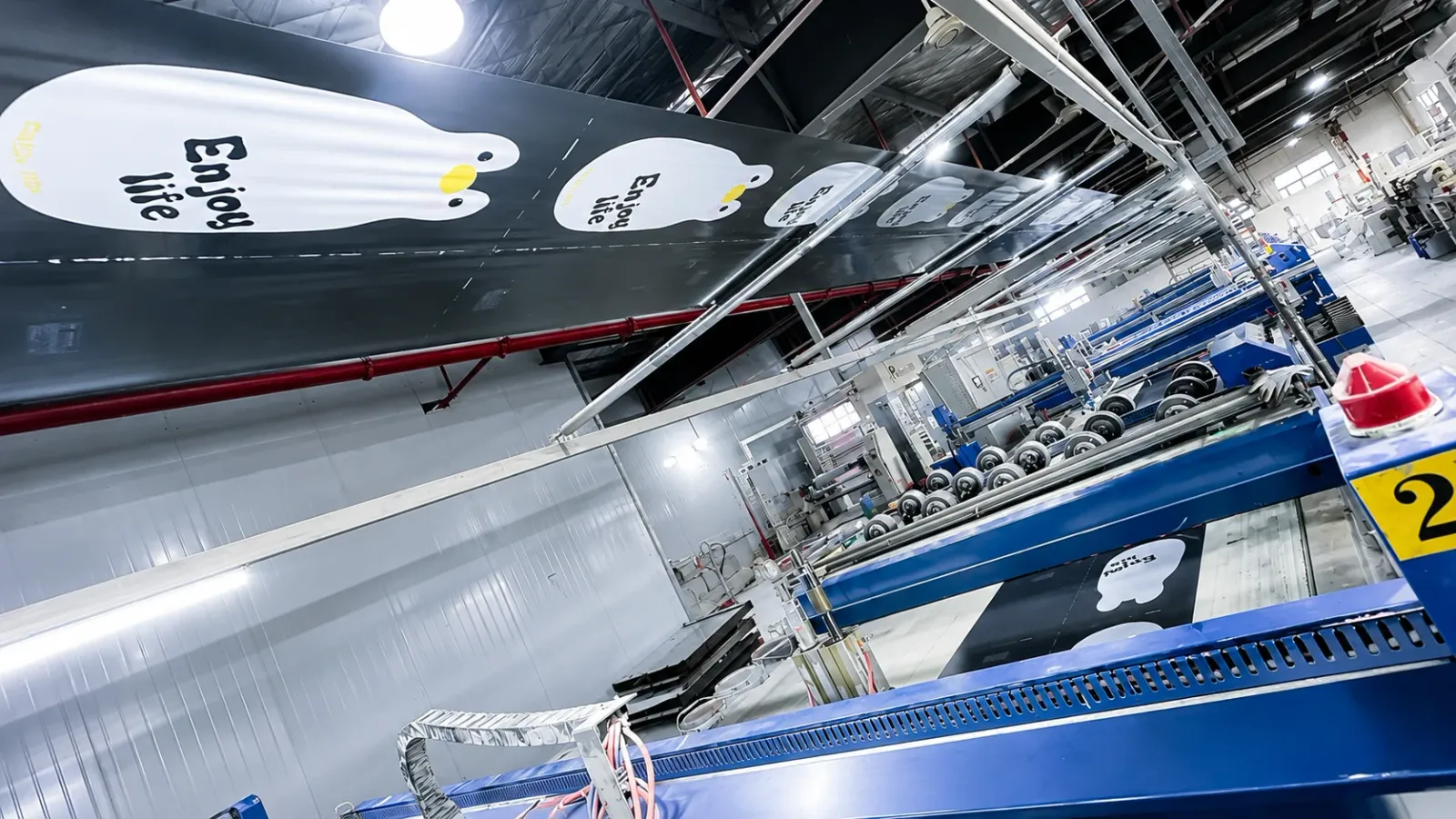
A reference picture helps communicate an idea, but it cannot answer every question needed for a quotation. A clear brief gives your supplier a basis for checking feasibility and identifying the details that still need confirmation. You do not need every answer at the first enquiry; label unknown items so they can be discussed.
1. Describe the product and intended use
Include the product name or reference, intended use, selling channel, inflated dimensions and preferred material. Add any specific structure, valve or accessory requirements. Where user or load limits matter, request the specification for the exact model instead of inferring capacity from a photograph.
2. Explain the commercial plan
State the estimated order quantity, destination country or market and target delivery date. If you have a target price level, identify what it is expected to include. Ask for MOQ, sample arrangements and production lead time for the actual configuration you want.
3. Bring artwork and packaging into the brief
Provide logo files, color references and the intended print area. Describe retail packaging, labels, barcodes, instructions and warning languages. Confirm the accessories and their quantities, then ask how the final product will be packed for shipment.
4. Define the testing questions
Tell the supplier which product and material requirements must be reviewed for your destination market. Discuss the test scope and supporting documentation for the selected configuration. A general statement that a product can meet a test requirement should not be treated as a report for every possible variant.
5. Agree on approvals and delivery details
Identify the sample, artwork and specifications that must be approved before the order moves forward. Discuss inspection points, carton information, shipping marks, documents and delivery responsibilities. Keep a written record when an agreed requirement changes.
Our custom development process follows the same sequence: define, develop, approve, then coordinate production and export. Send your project brief to get the conversation started.